“Politicians who refuse to answer questions don’t create silence. They create space for someone else’s answer.”

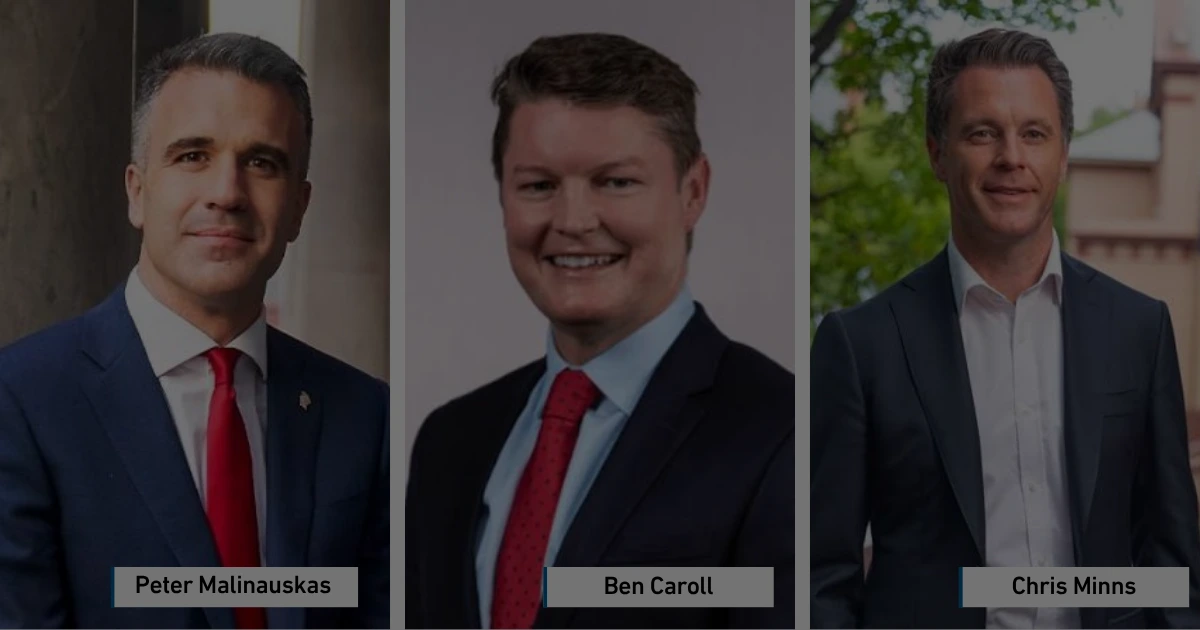
Paul Malinauska, Ben Carroll, and Chris Minns
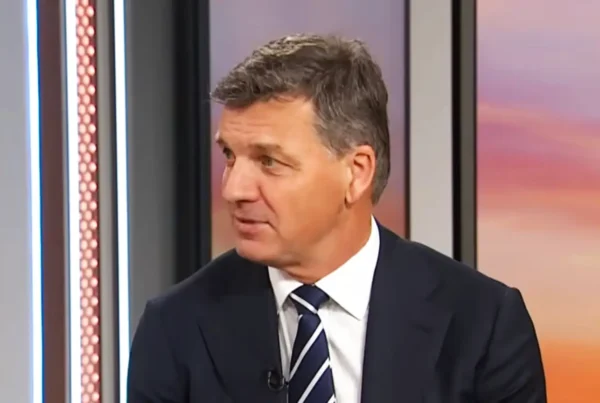
Five plus months in, and most Australians couldn’t name a single thing Angus Taylor stands for.
That’s a communications failure. The kind that ends careers, in politics and in business.
Taylor is a Rhodes Scholar, a former McKinsey partner, and a competent policy thinker. He is fit, good-looking and energetic. But none of that matters if nobody knows what he’s for.
Taylor took the Liberal leadership in February after defeating Sussan Ley. He inherited a party polling below One Nation nationally and bleeding seats to Teal independents in the cities. The Farrer by-election in May delivered the verdict: the Liberal primary vote collapsed from 43 per cent to 12 per cent. One Nation’s David Farley won the seat. The numbers have barely moved since.
The trust deficit Carroll inherits
Jacinta Allan didn’t lose her job over one scandal. She lost it over the pattern above.
The Big Build corruption allegations, reportedly costing Victorian taxpayers $15 billion. A June 2023 briefing she claimed never to have seen. Repeated refusals to answer direct questions about what she knew and when she knew it.
That’s not a scandal that blows over. It’s a full-blown reputation crisis, the kind no press release repairs.
Politicians who refuse to answer questions don’t create silence. They create space for someone else’s answer.
That’s an issues management failure as much as a communications one, the opening One Nation has walked through across Australia. When major parties disappoint, minor parties don’t need to provide solutions. They just need to say what the others won’t. Edelman’s 2026 Australian Trust Barometer found only 22% believe the next generation will be better off. That’s not a polling blip. That’s a generation giving up on the conversation. One Nation is built for that silence.
Why Minns and Malinauskas win
There’s another reason Carroll should study Chris Minns and Peter Malinauskas, and it’s not their policies. It’s their discipline.
Both occupy Labor’s Right. Both are economic pragmatists who understand governments create prosperity with business, not despite it. Neither spends much time fighting ideological wars. More importantly, both understand trust is earned before it is spent.
That’s a departure from the Albanese and Chalmers playbook. And from the Andrews and Allan one.
Minns built his premiership on reassurance. After twelve years of Coalition government, NSW voters weren’t looking for excitement. They were looking for confidence. Confidence that hospitals would work, schools would improve, and the books would be managed responsibly. Minns understood that elections are often won by making voters feel safe, not inspired.
Malinauskas starts from the same place but takes the next step. Once people trust you, give them something to believe in. South Australia’s pursuit of defence projects, manufacturing, and Gather Round aren’t just policies. They’re markers of a government with ambition.
Malinauskas won a thundering re-election in March despite One Nation’s surge nationally. He did it by communicating values, not announcements. His acceptance speech included a Henry Lawson poem. He asked voters to see themselves in hard work, unity in diversity, care, and compassion.
Neither man hides from questions. That matters more than any policy document.

The author – Peter Wilkinson
Three communication disciplines for the new Premier
In crisis communications, we talk about three sets of messages: the incident message, what’s in front of us right now; the organisation message, what we stand for; and the personal message, who I am and what I believe.
Carroll needs all three.
1. Answer the question. Then answer it again.
Allan’s refusal to front up on the Big Build briefing didn’t manage the story. It destroyed trust. Every unanswered question is a deposit into One Nation’s account.
It’s one of the oldest crisis communication mistakes there is: silence reads as guilt, not caution.
Carroll’s first act, calling a royal commission into construction sector corruption, was a good start. It was the answer Allan wouldn’t give.
Trust = Truth + Transparency + Traceability. That formula applies to reputation management in the corporate world, and to a state government four months from an election. Allan failed on all three. Carroll has to rebuild from zero.
2. Communicate fewer things, more often.
Governments love announcing. Voters don’t collect announcements. They collect impressions. One Nation doesn’t win on policy detail. It wins on the impression that nobody else is listening.
Choose three priorities. Repeat them until ministers, minders and journalists are sick of hearing them. A former speechwriter once told me the secret: repetition = penetration = impact. Say fewer things. Say them more often. Not what the party wants to say. What people need to hear.
People want affordable homes and they fear their children will never own one. They want safe communities and they fear crime becoming normal. They want economic security and they fear losing it.
3. Make it personal.
People vote for the person. Carroll’s “I am not Daniel Andrews” line is a start, but a negative definition is not a personal message. Who is Ben Carroll? What does he believe? What has he seen that shaped how he’d govern?
Make that one of the three priorities above.
The encouraging sign
Carroll appears willing to listen. Unlike some political leaders, he doesn’t project himself as the only source of wisdom. He’s spoken about seeking advice from trusted people around him.
Victoria’s biggest challenge isn’t writing another policy document. It’s rebuilding trust.
That’s why Minns and Malinauskas matter. They’ve shown that modern Labor wins when it stops talking to itself and starts conversing with the people it wants to govern.
It’s the same discipline any crisis management advisor would insist on. Carroll doesn’t need to copy either man. Victoria is different. But the principles are the same. Earn confidence. Shape the conversation. Connect to people’s hopes and acknowledge their fears.
And answer the question. Every time. Before One Nation answers it for you.