A search starts in the wrong place. A CEO facing a crisis, typing a phrase into Google, will find companies that have invested in SEO.
Rankings are manufactured. Judgment is not.
What you are actually choosing
Are you after a crisis simulation, or that plus ensuring your culture and processes are crisis-ready?
Crisis simulation is not crisis preparedness
If you are engaging an agency for crisis preparedness, ask one question: what happens after the workshop?
I believe a full or half-day workshop is a waste of money and time. It’s set-and-forget. A single crisis simulation delivers insight on the day and fades within weeks.
The research on this is clear, and more than a century old. Hermann Ebbinghaus established in the 1880s that learned material decays rapidly without reinforcement. The exercise that was relevant in March is a fading memory by May.
Optus’ Triple Zero crisis, and what preceded it, fits the set-and-forget pattern.
In September 2022, a data breach exposed the personal information of 9.8 million customers, including passport and licence numbers.
In November 2023, a nationwide network outage disrupted more than 2,000 Triple Zero calls. CEO Kelly Bayer Rosmarin resigned. Optus was fined $12 million.
In September 2025, a routine firewall upgrade caused another Triple Zero failure. At least two deaths have been linked to the outage.
Three crises in three years. As though little had been learnt from any of them.
We’ve seen similar patterns: an impressive session, a documented plan, a ticked box. And then an organisation that behaves, under pressure, as though none of it happened.
The agency worth hiring is a Crisis PR firm that embeds crisis thinking into how the leadership behaves month after month, not the one that delivers a polished workshop and moves on.
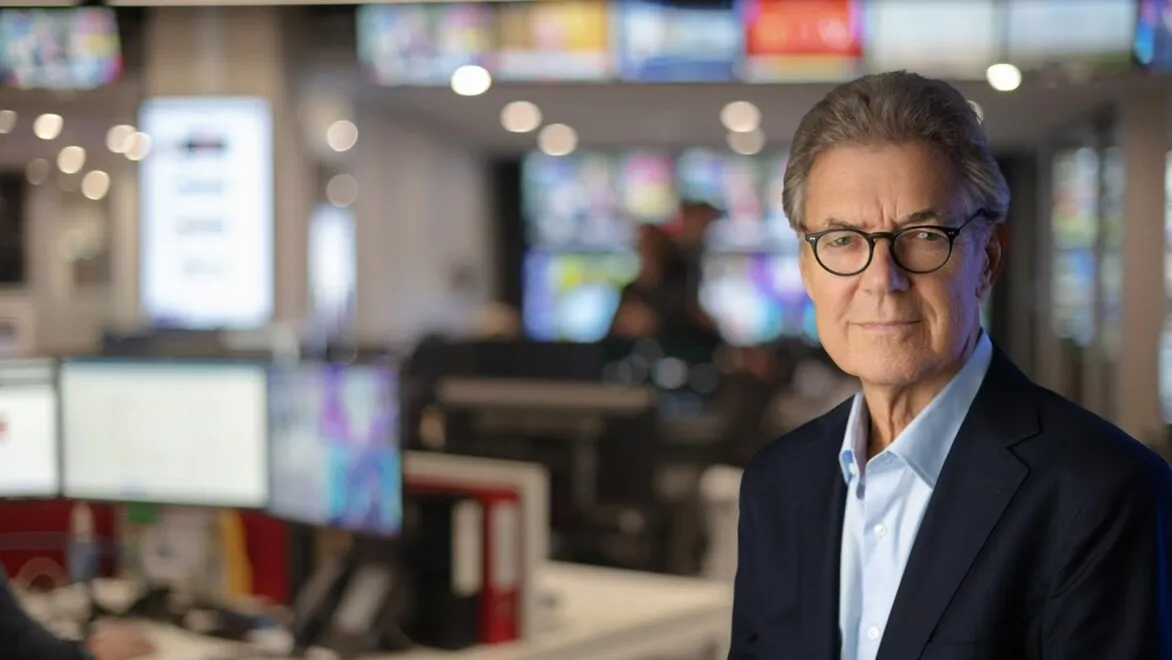
The Author – Peter Wilkinson
Our preference
Our preference is a 90-minute crisis simulation built around the organisation’s actual risks, not a generic scenario. It is supported by a 14-point checklist the leadership can reach for at 2am without remembering a workshop.
But the session is the starting point, not the product.
The product is the months that follow: regular contact with the CEO, upskilling the communications team, and building the behaviours that survive forgetfulness. Culture shifts through repetition, not revelation.
The choice of agency is often between two models
CEOs might examine which one they are buying.
The first model is headcount. A large PR firm with a roster of consultants, a 24/7 hotline, and the capacity to flood a newsroom with calls. This model sells reach. It fills a room with people. It may include crisis specialists, but often the model requires staff to be ‘Jacks-of-all-trades, masters of none’. And there is a matching payroll to feed.
The second is depth. A boutique specialist firm with senior people, typically with backgrounds in journalism, not just public relations, supported by deep and broad analytical capability, including AI. This model sells judgment. It often puts the right person in the room, faster.
The AI question
Any agency today should be able to explain how it uses artificial intelligence, and how it doesn’t.
AI changes the economics of crisis work. Media monitoring, scenario modelling, stakeholder mapping, drafting at speed, research across hundreds of sources in minutes what juniors took days.
The intelligence is faster and, often, better sourced.
AI accelerates and deepens research and production. It does not replace decades of wisdom: to design a strategy that works; tell a spokesperson when to speak, and when to stay silent; and when to tell a board something it doesn’t want to hear. The right agency combines both: experienced counsel, amplified by technology.
The questions that matter before you sign
- Do your ethics line up with ours? Show me your code of conduct. What companies won’t you work for? What companies have you delivered a great outcome for?
- Who takes the call at 11 pm? If the name is different from the person in the pitch meeting, that tells you the model. Beware if the junior in the pitch meeting is your future point of contact. One senior adviser who stays across the file from the first conversation through to resolution is a test some large agencies fail.
- What is your experience in this specific category? A data breach draws on a different playbook from a workplace misconduct allegation, a product recall, or a regulatory investigation. Generic years in crisis PR is not a proxy for specific experience.
- How do you work alongside legal? A crisis involving people, conduct, or culture is never a communications problem alone. The adviser who cannot explain how to sequence a public statement against a lawyer’s caution and timeline has not done this often enough.
- What does recovery actually look like? If the answer is better wording, that is a speechwriter, not a crisis adviser. Recovery demands visible, verifiable change, and the willingness to say so.
Trust is the verdict
The right agency will make your reputation management stronger through and after the crisis. The senior adviser is the person doing the work, drawing on decades of experience across industries and crisis types.
And smart enough to have built AI into its process so that speed and depth are not competing priorities. And committed enough to be present long after the workshop slides are forgotten.
Trust = Truth + Transparency + Traceability. That is the framework every crisis response is tested against, whether the organisation chooses it or not. The right agency helps you meet all three. The wrong one is a tactician: manages the news cycle and leaves strategy and the fallout for you and your organisation to manage.
Frequently Asked Questions
Choosing a crisis PR agency in Australia comes down to what you're actually buying: continuity or capacity. A specialist crisis PR agency gives you a senior crisis management consultant who stays across your business before, during, and after an event. A full-service firm treats crisis as one workstream among marketing, events, and digital, sometimes handed to whoever has capacity that week. Ask directly who takes the call at 11pm, not who wins the pitch.
In practice, the terms are used interchangeably, and the underlying question is the same regardless of which word a search uses: does the account stay with your organisation through the entire crisis communications cycle, or does it rotate between whoever has capacity that week. The label matters less than the model. Continuity of judgment, not headcount, is the actual product.
There's no single, objective list of the best crisis PR agencies, and any crisis PR firm claiming a definitive ranking should be treated with caution. The more useful test is capability against your specific risk: ask for case examples in the category you're most exposed to, and confirm senior counsel personally handles the file from the first call.
SEO results give a weaker signal than a documented track record. Ask any Australian crisis PR agency for case examples involving CEO or board-level exposure, and confirm who personally led that engagement.
Excellent crisis communications builds a reputation while a crisis is unfolding, not just the media statement at the end of it. The best Australian PR agencies treat it as a discipline that can start before an issue occurs and continues once the immediate pressure passes. Ask whether the same crisis PR agency handling the acute response also owns the reputation work afterward.
Availability outside business hours is only useful if it comes with continuity: the same adviser who already knows the business should be the one who answers the call at 11pm, not an on-call rotation meeting the organisation for the first time.